
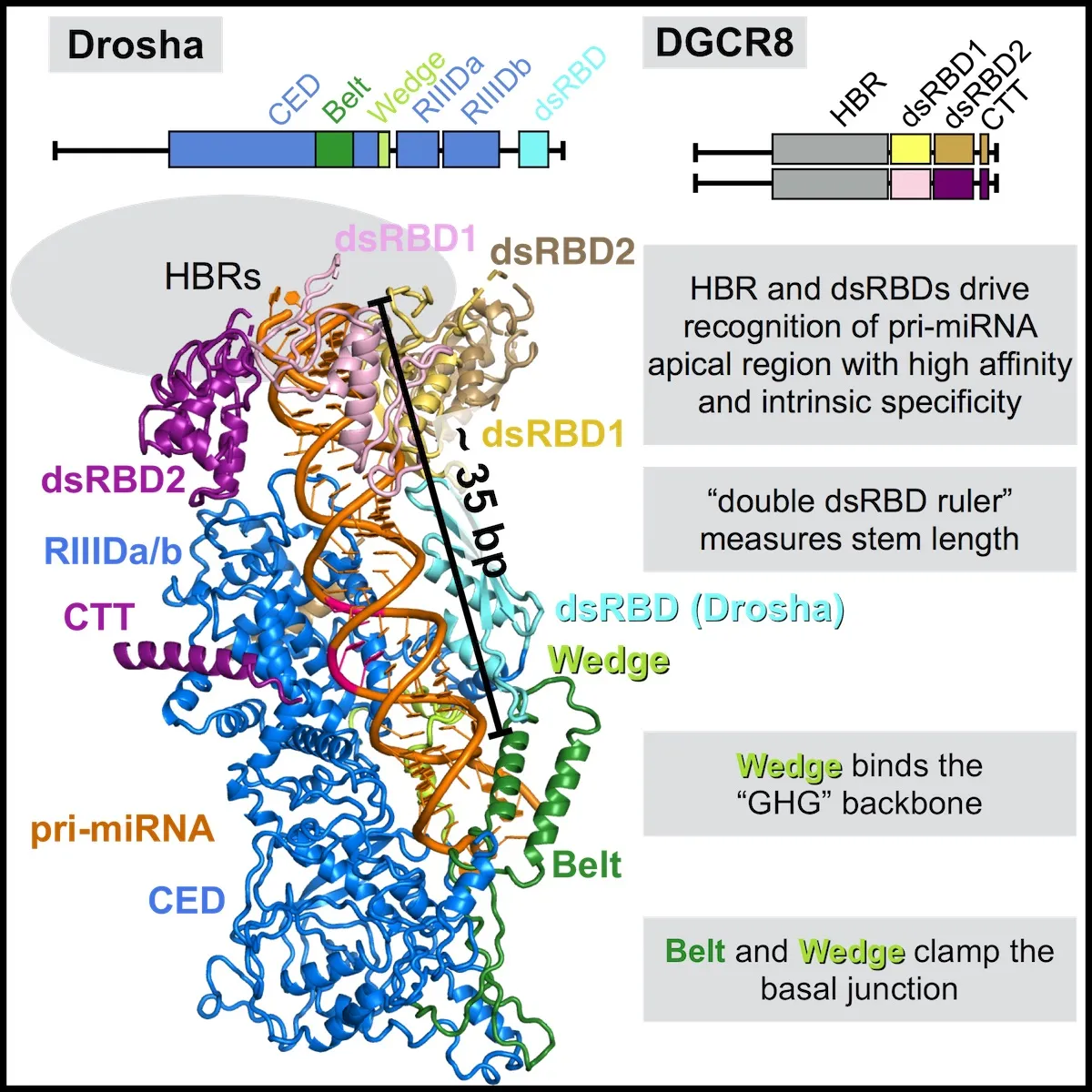
Mechanisms of RNA Processing

A major goal of our research group is to understand how structures dictate the mechanisms of RNA-mediated gene-regulation. Only about 2% of the transcribed genome is estimated to be coding for protein. How do the rest, known as noncoding RNAs (ncRNAs), work? How are ncRNAs recognized and what do they recognize? How do structural elements contribute to the activity of ncRNAs?

Read more
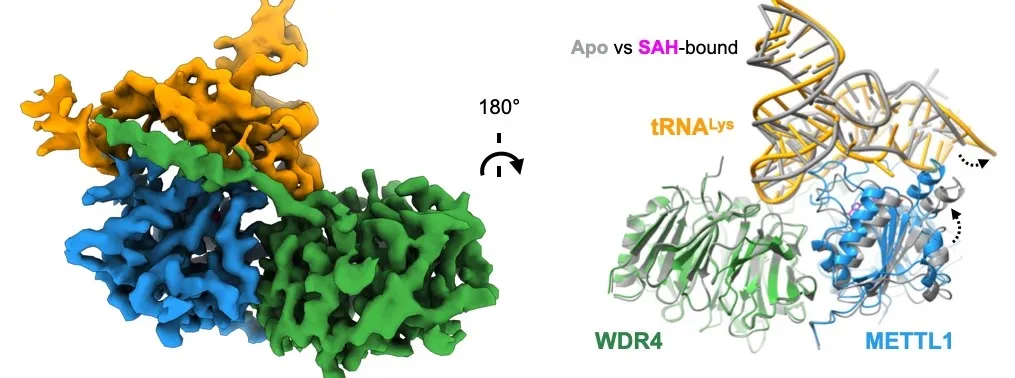
RNA Modifications in Biology

RNA modifications are prevalent, dynamic, and important for nearly every stage of an RNA’s life in the cell. We are interested in the mechanisms of chemical modifications that regulate gene expression.

Read more

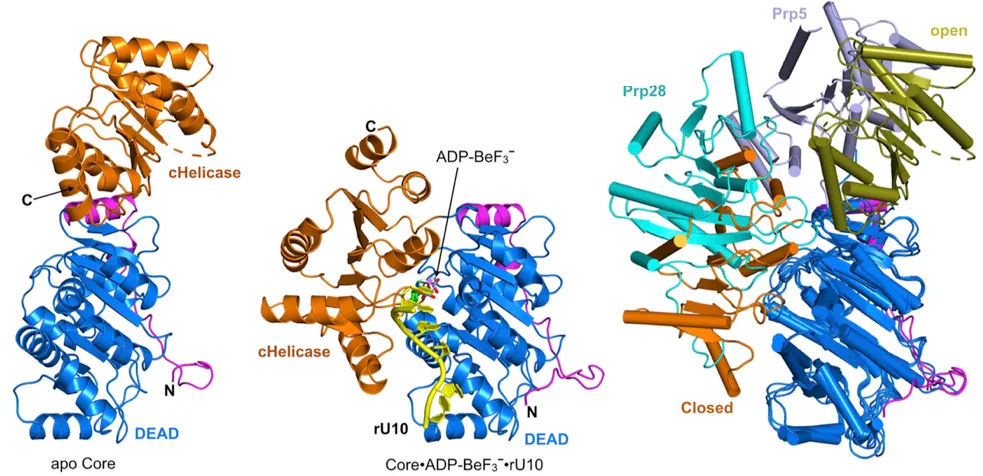
Mechanisms of RNA Remodeling

RNA is a highly versatile molecule that carries information both in primary sequence and in higher-order structural features. The structural information encoded in RNA enables more complex functions (including catalysis) and diverse recognition modes with other molecules. These structure-dependent activities present the opportunity for additional layers of regulation and, indeed, numerous classes of RNA remodeling proteins have been identified. We are particularly interested in the DEAD-box family of RNA helicases which play numerous critical roles in cellular RNA processing. We are using structural biology combined with RNA biochemistry to determine how this family of RNA remodelers regulates RNA processing.

Read more